Serene natural landscape

Lymino: Your Insightful Guide to Holistic Wellness

Welcome to Lymino

At Lymino, we believe that understanding natural approaches, lifestyle practices, and nutritional strategies is fundamental to pursuing holistic wellness. Our mission is to provide comprehensive, unbiased, and scientifically grounded information to help you explore the multifaceted dimensions of natural well-being. This is an educational resource dedicated to knowledge, not commercialization.

Educational content only. No promises of outcomes.

Understanding Natural Approaches

Natural approaches to wellness encompass a broad spectrum of practices and principles rooted in traditional knowledge and contemporary scientific understanding. These approaches recognize that human health is interconnected with diet, lifestyle, environment, and mental well-being.

By exploring how various natural elements—from plant-based nutrition to mindfulness practices—contribute to overall vitality, we can develop a more nuanced perspective on wellness that honors both ancient wisdom and modern research.

Learn More


Fresh herbs and natural ingredients
Forest path with natural light

The Interconnection of Lifestyle and Wellness

Every aspect of our daily life—from sleep patterns to physical movement—plays a role in our overall state of well-being. Natural approaches emphasize the importance of aligning our lifestyle with principles of balance, rhythm, and harmony with our environment.

Understanding these interconnections enables us to make informed choices about our daily habits and recognize how seemingly small adjustments can contribute to improved vitality and resilience over time.

The Role of Lifestyle in Well-being

🌙

Sleep Hygiene

Restorative sleep is essential for physical recovery, cognitive function, and emotional balance. Understanding the principles of sleep hygiene—such as consistent schedules and environmental factors—contributes to improved rest quality.

🧘

Stress Management

Chronic stress impacts both mental and physical health. Exploring techniques such as meditation, breathing exercises, and mindfulness practices provides practical approaches to cultivating mental peace and resilience.

🌿

Environmental Connection

Time spent in nature, exposure to natural light, and connection with living systems support overall well-being. These elements influence mood, immune function, and sense of psychological balance.

Nutritional Foundations for Balance

Key Nutritional Principles

  • Whole Foods: Emphasizing minimally processed foods rich in natural nutrients supports optimal bodily function.
  • Plant-Based Diversity: A variety of plant-based foods provides diverse micronutrients, fiber, and phytonutrients essential for health.
  • Nutrient Density: Selecting foods high in vitamins, minerals, and other beneficial compounds maximizes nutritional value.
  • Balanced Macronutrients: Incorporating appropriate proportions of carbohydrates, proteins, and healthy fats supports sustained energy and bodily functions.
  • Hydration: Adequate water intake is fundamental to nearly all biological processes.
  • Seasonal Awareness: Consuming seasonal foods aligns nutrition with natural cycles and often provides optimal nutritional profiles.
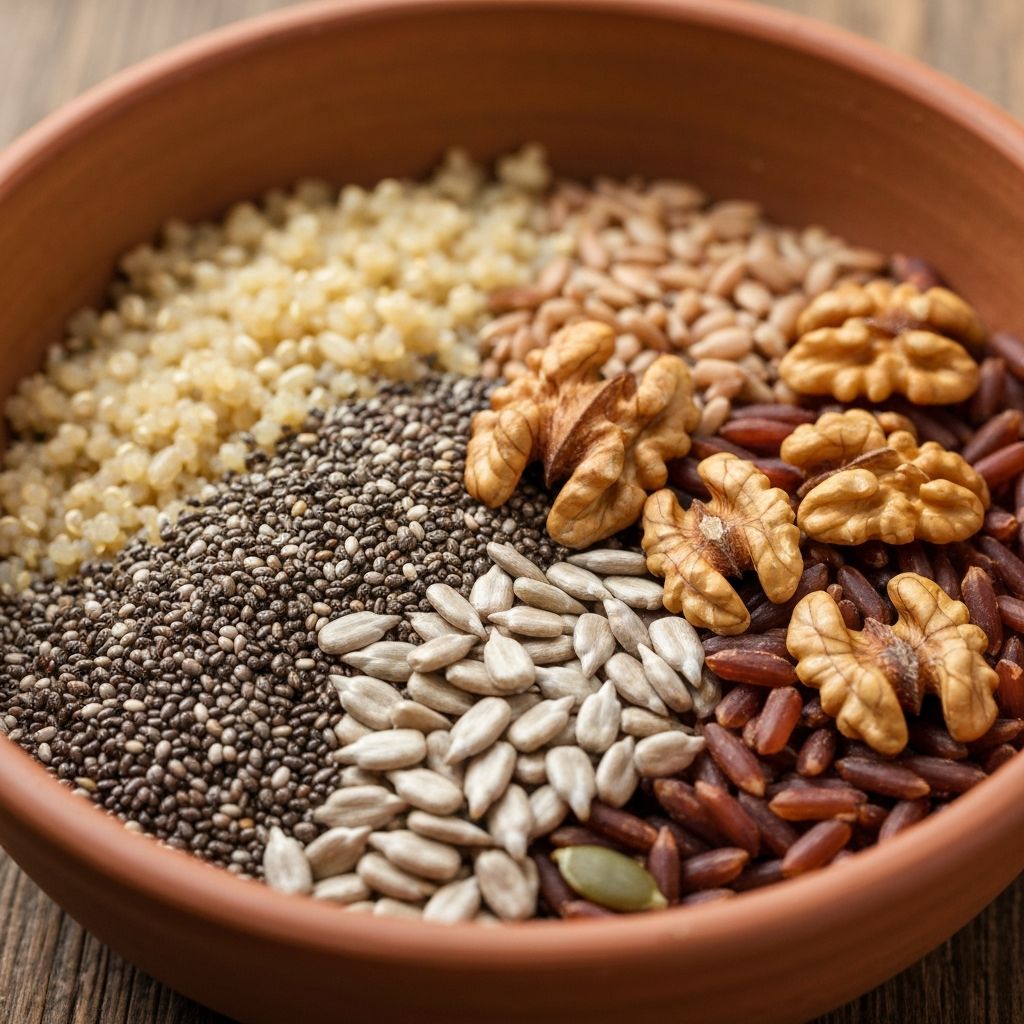
Bowl of fresh grains and seeds

Exploring Plant-Based Solutions

Plants have been central to traditional wellness practices for millennia. From culinary herbs to botanical preparations, plant-based approaches offer a rich repository of compounds that interact with human physiology in sophisticated ways.

Understanding the scientific basis of these compounds—their mechanisms, traditional uses, and contemporary research—provides valuable context for appreciating the role of botanicals in supporting general wellness and vitality.

Explore Concepts
Dried herbs and botanical ingredients

Mindfulness and Stress Reduction Techniques

Cultivating mental clarity and emotional balance through mindfulness practices represents a cornerstone of holistic wellness. These techniques—including meditation, conscious breathing, and contemplative practices—have been validated by contemporary neuroscience as supporting psychological and physiological well-being.

By learning to observe thoughts and emotions without judgment, individuals can develop greater resilience and a more balanced perspective toward life's challenges.

Physical Activity and Its Benefits

Movement is intrinsic to human health. Various forms of physical activity—from walking and gardening to yoga and structured exercise—contribute to cardiovascular health, muscular strength, bone density, and mental well-being.

The key principle is finding sustainable, enjoyable forms of movement that align with individual preferences and capabilities, ensuring consistency and long-term benefits.

Types of Beneficial Movement

  • Aerobic Activity: Continuous movement that elevates heart rate, supporting cardiovascular health.
  • Strength Training: Resistance-based exercises building muscle and bone density.
  • Flexibility Work: Stretching and yoga practices maintaining range of motion.
  • Balance Training: Exercises improving stability and coordination.
  • Outdoor Movement: Activities in natural environments combining physical activity with environmental connection.

The Science Behind Natural Compounds

Understanding Phytonutrients

Plants produce a diverse array of compounds—phytonutrients, polyphenols, alkaloids, and others—that provide color, flavor, and protective properties. When consumed, these compounds interact with human physiology through various mechanisms.

Bioavailability and Absorption

The biological activity of plant compounds depends not only on their chemical structure but also on how effectively they are absorbed and utilized by the body. Factors such as food preparation, individual genetics, and gut microbiome composition influence bioavailability.

Research and Evidence

Contemporary scientific research continues to elucidate the mechanisms by which traditional plant-based approaches support wellness. This evolving understanding bridges ancient knowledge with modern biochemistry, validating many traditional practices while also identifying areas requiring further study.

Scientific research concept
Clarity and light imagery

Debunking Wellness Myths

The wellness landscape is often filled with exaggerated claims, oversimplifications, and misinformation. Distinguishing between evidence-based approaches and unfounded claims is essential for making informed decisions about personal wellness.

By understanding the scientific method, recognizing common rhetoric patterns in marketing, and consulting reliable sources, individuals can navigate the wellness space with greater discernment and avoid ineffective or potentially harmful practices.

Understand Principles

Cultivating Long-Term Vitality

True wellness is not achieved through quick fixes or isolated interventions, but through the cultivation of consistent, sustainable practices that support physical, mental, and emotional health over time.

By understanding the principles presented throughout this resource—from nutrition and movement to mindfulness and environmental connection—you can develop a personalized approach to wellness that honors both scientific evidence and your individual needs and preferences.

Remember that wellness is a journey of continuous learning and self-discovery. Every individual's path is unique, influenced by genetics, lifestyle, environment, and personal circumstances.

Important Disclaimer

This content is for informational purposes only and is not intended as medical advice. It does not replace professional consultation, diagnosis, or treatment. Lifestyle approaches vary, and individual outcomes may differ. Always consult with a qualified healthcare professional for personalized guidance.